A Business Owner’s Guide To Safer Work Devices
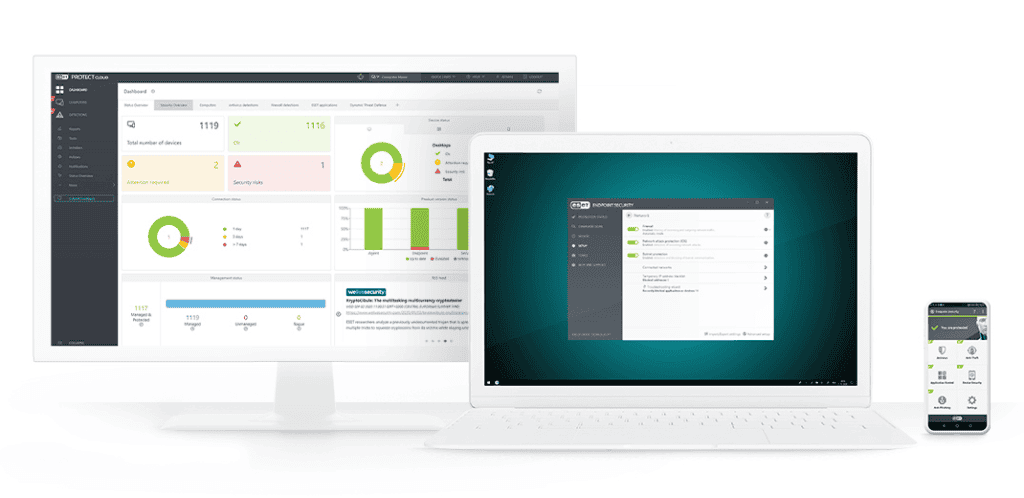
Think of your work devices as the front door to your business. Computers, phones, and tablets hold valuable information. Keeping them safe is a direct way to protect your company. A few simple habits can build a strong shield against digital threats.
This guide will walk you through easy steps to make your work devices more secure.
Start with strong locks:
The first line of defense is a good password. Think of a phrase you can remember and mix it with letters, numbers, and symbols. Do not use the same password for everything. A password manager can help create and store unique passwords for all accounts. This small step makes it much harder for someone to break in. A robust antivirus for business also provides an essential additional layer of protection against digital threats.
Add a second check:
Turn on two-factor authentication. This adds a second step to logging in. After you type your password, you will get a code on your phone or email. You must enter that code to get access. Even if someone steals your password, they cannot get in without that second code. It is a very effective shield for your accounts.
Keep your software fresh:
Always update your software when you see an alert. These updates often include fixes for security holes that attackers can use. Think of it like patching a hole in a fence. Set your devices to update automatically so you do not forget. This keeps your digital fences strong and secure.
Be careful with public Wi-Fi:
Public Wi-Fi networks are not safe for work. Avoid accessing sensitive company information or bank accounts when connected to them. If you must use public Wi-Fi, use a virtual private network. A virtual private network creates a secure, private tunnel for your data, keeping it safe from prying eyes.
Control who can see what:
Not every employee wants access to all company data. Set rules so people can only see the information they want for their job. This is called the principle of least privilege. If a device is lost or an account is compromised, this limits the amount of data that is exposed.
Prepare for the unexpected:
Sometimes, things go wrong. A device might be lost, stolen, or get a virus. Ensure you have a backup system that automatically saves copies of all your important files. Also, have a simple plan for what to do if a device is lost. Knowing how to remotely erase a missing laptop or phone can prevent a big problem.